
Which features should advanced rank tracking software include?
Advanced rank tracking software should provide accurate, location-specific keyword data, regular updates, SERP feature monitoring and competitor comparisons. It should also support automated alerts, segmentation, historical trends and clear reporting so teams can turn ranking changes into practical SEO actions.
Advanced rank tracking software should combine accurate, regularly refreshed keyword data with the context needed to interpret ranking changes. At a minimum, it should track positions by search engine, device, location and search type, while also monitoring SERP features, competitors, historical trends and visibility changes. The most useful platforms go further by automating alerts, segmentation, reporting and data access so that ranking information can be converted into practical SEO decisions.
Accurate, location-specific position data is the foundation. The software should record where a specified URL appears for each tracked keyword rather than treating a domain’s presence in the results as a ranking in its own right. It should distinguish between the target page, other pages on the same website and instances where more than one page is visible. This helps identify page replacement, keyword cannibalisation and changes in the URL Google selects.
Location settings should support the level of precision required by the campaign. Depending on the business, this may include country, region, city or postcode-level tracking. Device type should also be configurable, because mobile and desktop results can differ in layout, intent and ranking order. A reliable system should make these settings visible when data is reviewed, preventing teams from comparing results collected under different conditions.
A suitable update schedule is another important feature. The right frequency depends on the campaign, the volatility of the search results and the decisions the data needs to support. Software should clearly show when a position was collected and allow users to compare current data with previous updates. It should avoid presenting estimated or stale positions as if they were live results. Where updates are scheduled, the platform should provide control over which projects, keyword groups or locations are prioritised.
Historical data should be retained in a form that makes trends easy to understand. A single position is rarely meaningful without context, so the platform should show movement over time, visibility changes and the effect of significant changes to a website or search results page. Useful views include individual keyword history, landing-page performance, groups of related terms and overall visibility by market or device.
SERP feature monitoring is essential because traditional blue-link rankings do not describe the whole search results page. Advanced software should identify relevant features such as local packs, featured snippets, image results, video results, shopping results, news results, sitelinks and other enhanced elements where applicable. It should show whether the tracked website appears in those features and whether competitors occupy them instead.
This information provides a more accurate view of search performance. A page may retain a similar organic position but receive less attention because additional SERP features appear above it. Conversely, gaining a featured result or local listing may increase visibility without a major change in the standard ranking position. The software should therefore separate organic position from broader SERP visibility rather than combining them into one unclear score.
Competitor tracking should allow users to compare selected domains or pages for the same keyword set. Comparisons should cover ranking positions, visibility, SERP feature ownership, newly ranking terms and terms where a competitor has gained or lost ground. The best systems make it possible to group competitors by market, service line or search intent, rather than forcing every project into one broad comparison.
Competitor data needs careful interpretation. A competitor may rank for a term because it has a different business model, location or content purpose. The software should make the underlying keywords and landing pages available so that teams can assess whether a ranking gap represents a realistic opportunity. It should support discovery without encouraging automatic copying of competitor content or strategy.
Keyword organisation and segmentation are particularly important for larger campaigns. Users should be able to group terms by topic, product, service, funnel stage, location, brand status, search intent, landing page or business priority. Filters and tags should work consistently across charts, tables, alerts and reports. This allows a team to answer specific questions, such as whether commercial terms are improving in a particular region or whether a recent content update affected one topic cluster.
Keyword management should include safeguards against duplication and accidental changes. It should be clear when a keyword is tracked in more than one location or on more than one device, and the system should preserve historical data when tags, landing pages or groups are updated. Where search intent or keyword classifications are supplied automatically, users should be able to review and amend them.
Automated alerts help teams focus on material changes instead of checking every keyword manually. Alerts can be configured for substantial ranking losses or gains, changes in visibility, the appearance or disappearance of SERP features, newly ranking pages, competitor movements and technical events that affect tracked results. They should support sensible thresholds and exclusions so that normal daily variation does not create unnecessary notifications.
Alerts are most useful when they include enough context to support an initial investigation. A notification should identify the affected keyword, location, device, previous and current position, ranking URL and relevant SERP change. It should also distinguish between a single-term movement and a wider pattern across a group of keywords.
Clear reporting and data visualisation should serve different audiences without hiding important detail. Specialist users need access to keyword-level data, landing pages and SERP observations. Clients and senior stakeholders may need a concise view of visibility, priority movements, opportunities and actions. Reports should be customisable by project, segment, location and date range, with consistent definitions for every metric used.
Reports should explain change rather than simply display it. A useful report can show which keyword groups moved, which pages were affected, whether competitors changed position and whether the movement is isolated or part of a wider trend. It should allow commentary or action notes so that future reviews can connect ranking changes with content updates, technical work and other SEO activity.
Integration and data access become increasingly important as campaigns grow. The software should offer exports in practical formats and, where required, an API or connections to reporting, analytics and project management systems. Integrations should preserve useful dimensions such as keyword, URL, device, location, date and SERP feature. Access controls and user permissions are also necessary where several teams or clients share an account.
Finally, advanced rank tracking software should be dependable at scale. It should handle large keyword sets, multiple websites, markets and user accounts without making routine tasks unnecessarily complex. Data collection should be transparent, with clear information about update status, processing errors and any limitations affecting results. A practical evaluation should test the platform using representative keywords, locations, devices and SERP types before wider adoption.
In summary, the strongest feature set combines trustworthy measurement with useful interpretation. Accurate data, appropriate update controls, SERP and competitor analysis, flexible segmentation, historical context, meaningful alerts, custom reporting and reliable integrations allow an SEO team to move from noticing ranking changes to diagnosing them and deciding what to do next.
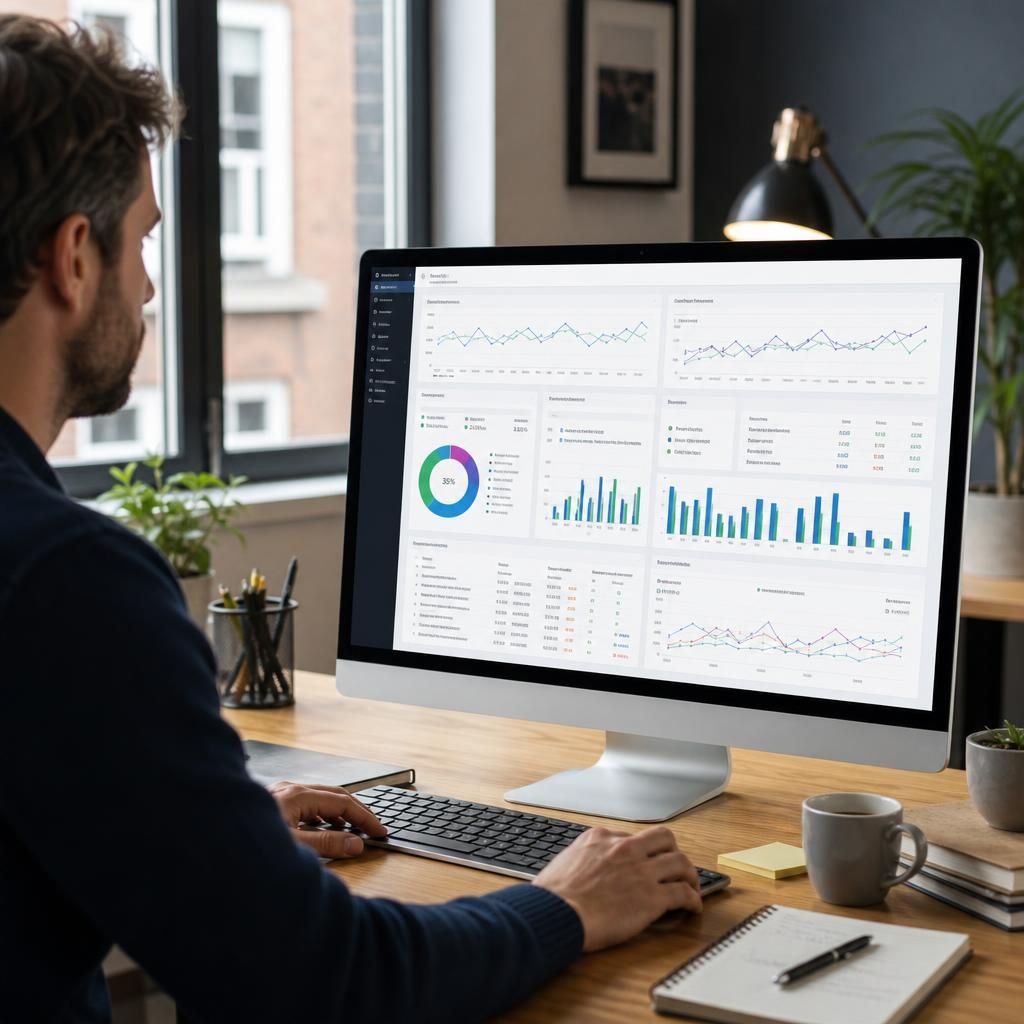
Location- and device-specific tracking shows where a keyword ranks for the searches that matter to a business, rather than treating one national position as representative of every audience. Search results can vary by country, region, city, postcode and device, so these settings should be recorded with every ranking update.
When reviewing position data, check that the comparison uses the same:
- search engine and search type;
- location or service area;
- mobile or desktop device;
- keyword, landing page and date range.
Keeping these dimensions consistent prevents misleading conclusions. A ranking change may reflect a different location or device setting rather than a genuine SEO movement. The software should also identify the ranking URL, making it easier to investigate page replacement, keyword cannibalisation and changes in the page selected for a search.