
What does SEO rank tracking software monitor?
SEO rank tracking software monitors your website’s positions for selected keywords across search engines, locations and devices. It can also track competitors, SERP features, ranking changes and historical trends, helping you assess visibility and identify where optimisation is needed.
SEO rank tracking software monitors where a website appears in search results for selected keywords, then records how those positions change over time. Depending on the platform and configuration, it can also monitor the search location, device, search engine, competing websites, SERP features and the pages appearing for each query. This gives you a consistent view of search visibility that is separate from website traffic and conversion data.
Keyword positions
The core function is to record a website’s ranking position for specified keywords. Tracking may include the highest-ranking page on the domain, the exact URL appearing in results and whether the keyword is ranking at all within the selected results range. Monitoring the URL is important because it shows which page Google or another search engine considers most relevant. A change in the ranking URL can indicate content cannibalisation, a shift in search intent or a change in how the page is being evaluated.
Most systems allow keywords to be grouped by topic, landing page, product, service or campaign. This makes it easier to compare performance across sections of a website rather than treating the entire keyword set as one measurement. Branded, non-branded, commercial and informational terms can also be assessed separately.
Search location and device
Rank tracking can monitor results from a defined country, region, city or postcode-level location, where supported. Local settings matter because search results can vary significantly between areas, particularly for businesses with physical premises or location-specific services. A national ranking may therefore provide little insight into performance in a particular town or service area.
Tracking by desktop and mobile device helps identify differences in visibility and page presentation. Search engines can use device context when generating results, and the mobile version of a page may have different usability or content issues from the desktop version. Comparing the two views can help prioritise responsive design, performance and mobile content improvements.
Search engine results page features
Rank tracking software can identify SERP features that appear for a keyword and, where supported, whether your website is present in them. These may include local listings, featured answers, image results, video results, news results, shopping results, sitelinks and related questions.
SERP feature monitoring adds context to a traditional position. A page may rank well in the standard organic listings but receive less attention if prominent features appear above it. Conversely, appearing in a relevant feature can increase the visibility of a result without changing its conventional organic position. The software may record both the feature’s presence and the type of result occupying it, although the exact features available depend on the search engine and tracking provider.
Competitor rankings
Many platforms let you add other domains or specific competitors to the same keyword set. The software then compares their positions, ranking URLs and visibility trends with yours. This can show where another site has gained ground, which topics it covers more effectively and where your pages are competing for the same search demand.
Competitor tracking is most useful when it is tied to a defined group of relevant search terms. A competitor may appear stronger across a broad keyword list simply because it publishes content for a different audience. Compare like-for-like topics, intent and locations before treating a ranking difference as an actionable gap.
Ranking changes and historical trends
Rank trackers take repeated snapshots so that you can review movement over time. They can highlight improvements, declines, newly ranking keywords, keywords that have dropped out of the tracked results and changes to the pages receiving visibility. Historical data helps distinguish a short-term fluctuation from a sustained trend.
Change alerts can draw attention to significant movements, new SERP features or changes in the ranking URL. These alerts should be treated as prompts for investigation rather than proof that a particular SEO action caused the movement. Rankings can change because of algorithm updates, competitor activity, new content, technical changes, seasonality and changes to the search results page itself.
Visibility and share-of-search indicators
In addition to individual positions, rank tracking software often combines keyword rankings into summary indicators such as visibility, average position, ranking distribution and estimated share of tracked results. These measures make it easier to assess a large campaign, but they are calculated from the keywords and settings you provide. A visibility score is not the same as organic traffic, revenue or market share.
For a reliable interpretation, keep the tracked keyword set consistent and segment results by search intent, location, device and landing page where appropriate. Adding many low-priority terms can make an overall trend appear better or worse without reflecting performance for the searches that matter most to the business.
What rank tracking does not directly monitor
Rank tracking records search visibility; it does not directly measure visits, engagement, leads, sales or revenue. Those outcomes require analytics, conversion tracking and, where relevant, customer relationship management data. It also does not by itself explain why a ranking changed. Search Console data, crawl information, content reviews, technical audits and competitive analysis are often needed to investigate the cause.
Results can also vary because of personalisation, search history, location, device, language, timing and the search engine’s testing of different layouts. A tracking tool reduces this inconsistency by using defined settings and repeatable checks, but its recorded position represents the configured search environment rather than an identical result for every searcher.
How to use the monitored data
- Review position and ranking URL together to identify pages that are losing visibility or being replaced by another page.
- Segment keywords by topic and intent so that important commercial terms are not hidden by broader averages.
- Compare desktop, mobile and local results when the audience or service area makes those differences relevant.
- Check SERP features before changing a page, since the opportunity may involve structured content, local visibility or another result format rather than a conventional ranking alone.
- Compare ranking movements with website releases, content changes, technical issues and known search engine updates before drawing conclusions.
- Link ranking trends with traffic and conversion data to establish whether increased visibility is producing useful business outcomes.
Used in this way, SEO rank tracking software provides an organised record of how a website and its competitors appear for important searches. Its main value is not a single position but the consistent evidence it provides for deciding which pages, keywords, locations and SERP opportunities require attention.
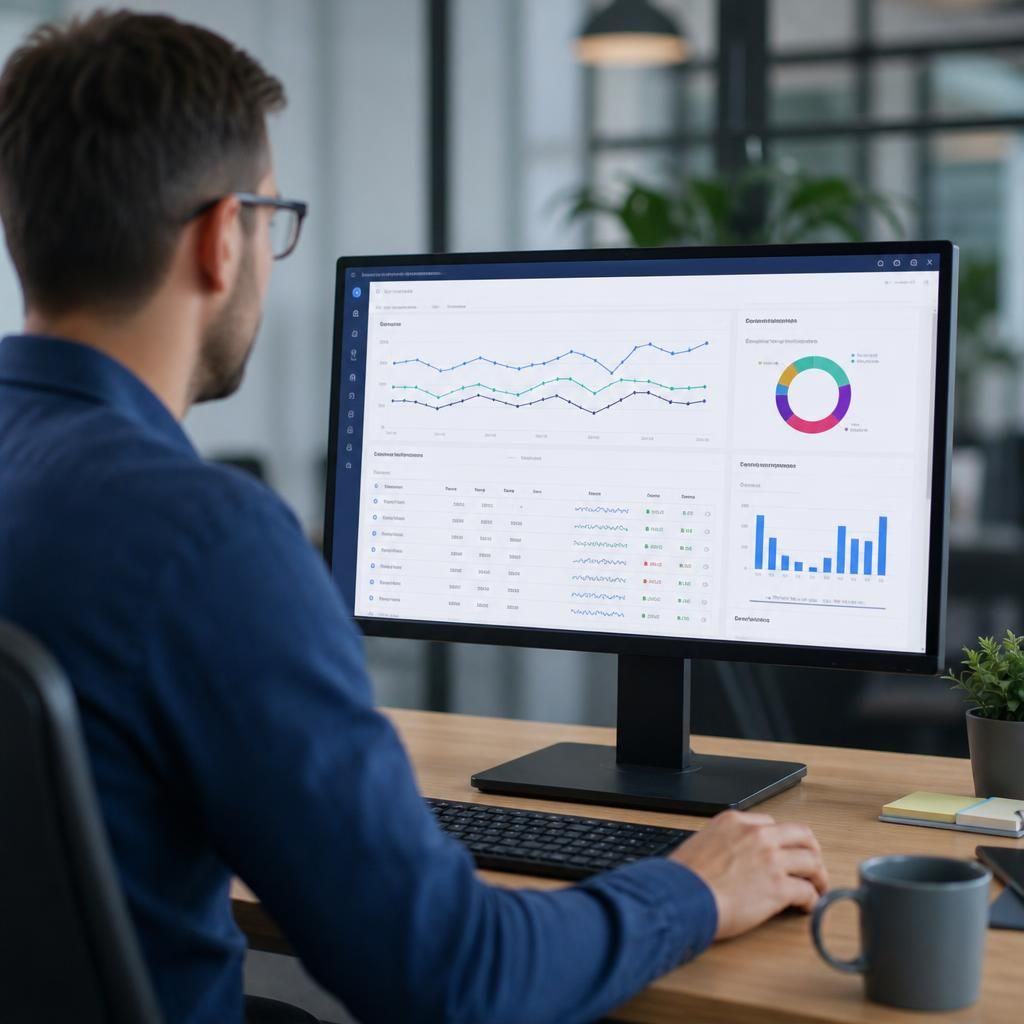
SEO rank tracking software monitors a website’s visibility for selected search queries by recording its position, ranking URL and search context. This context can include the search engine, location, language and device, because the same keyword may produce different results for different audiences.
It can also record the SERP features shown for a query, such as local results, images, videos, shopping listings or featured answers. This helps distinguish a change in conventional organic position from a change in the results page itself. A page may retain its ranking while becoming less prominent because other features appear above it, or gain additional visibility by appearing in a relevant feature.
For the clearest interpretation, review rankings alongside the URL being shown and the relevant search settings. Segmenting data by topic, intent, location and device makes it easier to identify which pages require attention and prevents broad averages from concealing important changes.