
How can specialist SEO tools support YouTube search engine optimisation?
Specialist SEO tools support YouTube search engine optimisation by researching relevant video keywords, analysing search intent and helping you optimise titles, descriptions, tags and supporting content. They also monitor rankings, engagement signals and competitor trends, giving you data to refine video topics and improve visibility in YouTube and wider search results.
Specialist SEO tools support YouTube search engine optimisation by combining video keyword research, search-intent analysis, content optimisation, performance monitoring and competitor research in one workflow. They help you identify what viewers are searching for, align each video with a clear audience need, improve its discoverability and use performance data to refine future content.
YouTube SEO involves more than adding keywords to a title. The platform assesses how well a video matches a search, how viewers respond to it and whether it continues to satisfy their needs. Specialist tools help organise these signals so that optimisation decisions are based on relevant data rather than assumptions.
Keyword research and topic selection
A YouTube-focused tool can reveal search terms, related queries, recurring topics and variations in the language viewers use. This is useful because the wording used by an audience may differ from the terminology used internally by a business. For example, a technical product team may describe a service using industry language, while potential customers search using a practical problem or outcome.
Useful research should help you assess:
- the main phrase that describes the video’s subject;
- related questions and supporting search terms;
- whether the query suggests research, comparison, troubleshooting or purchase intent;
- how closely the topic matches your organisation’s expertise and offer; and
- whether the subject is suitable for a video rather than another content format.
Search volume can provide context, but it should not be the only selection criterion. A highly specific query may attract a more relevant audience than a broad term. Tools are most effective when keyword data is combined with business relevance, audience knowledge and an assessment of the content already available.
Search-intent analysis
Search intent determines what a viewer is likely to expect from a video. A query such as “how to configure” usually requires a clear demonstration, whereas “which solution is suitable for” may require a comparison or buying guide. If the format, depth or subject of a video does not match the intent behind the query, strong metadata is unlikely to deliver sustained visibility.
Specialist tools can support this process by grouping related queries and showing the types of videos that appear for them. Use these insights to define the purpose of each video before production. A clear purpose also makes it easier to create an accurate title, structure the script and decide which action viewers should take next.
Metadata and on-page optimisation
Tools can help optimise the elements that communicate a video’s subject to YouTube and to prospective viewers. These include:
- Titles: describe the specific value or subject of the video clearly, placing the principal topic in natural language rather than forcing in multiple phrases.
- Descriptions: summarise the video accurately, explain its context and include relevant supporting terms where they fit naturally. The opening lines should make the content and benefit clear.
- Tags: use these to clarify variations, terminology and common misspellings when relevant, but do not treat tags as a substitute for useful content or a precise title.
- Chapters: organise longer videos into meaningful sections so viewers can understand the structure and move to the information they need.
- Thumbnails: support the title with a clear visual message. They should represent the video accurately rather than relying on misleading claims.
Optimisation tools may provide recommendations, but recommendations should be reviewed by a knowledgeable person. A high keyword score does not make awkward, repetitive or misleading copy suitable for publication. Read every title and description as a viewer would, and check that it accurately reflects the content.
Content structure and relevance
YouTube SEO is affected by the usefulness of the video itself. A tool can help identify a topic and recommend supporting terms, but it cannot replace a well-researched explanation, an understandable presentation or evidence that answers the viewer’s question. Use keyword and intent data to inform the brief, then focus the video on delivering the promised information efficiently.
Where appropriate, include the main subject naturally in the spoken introduction and cover related subtopics that help complete the viewer’s task. A transcript can make the content easier to review and repurpose, while captions improve accessibility and provide additional textual context. Avoid inserting keywords unnaturally into a script or repeating them without adding meaning.
Performance monitoring and refinement
Specialist tools can bring visibility data and engagement data into a repeatable reporting process. Track changes in impressions, click-through rate, watch time, audience retention, traffic sources and subscriber actions alongside ranking observations. These measures answer different questions:
- Impressions and click-through rate indicate whether the title and thumbnail are attracting attention when the video is shown.
- Audience retention helps identify where viewers lose interest or leave the video.
- Watch time provides context about the depth of viewing, although it should be interpreted alongside the video’s length and purpose.
- Traffic sources show whether discovery comes from YouTube search, suggested videos, browse features, external pages or other routes.
- Viewer actions help assess whether the video is contributing to a wider business or content objective.
Review these signals over a suitable period rather than reacting to isolated daily changes. If impressions are strong but clicks are weak, review the title and thumbnail. If clicks are strong but retention drops early, compare the opening with the promise made in the metadata. If search visibility is limited, revisit the topic, intent match, wording and quality of competing content.
Competitor and content-gap research
Competitor analysis tools can show which subjects, formats and queries are associated with established videos in a search result. The purpose is not to copy their wording or presentation. Instead, identify unanswered questions, outdated explanations, missing practical detail and opportunities to provide a clearer or more specialist response.
Compare content using relevant criteria such as topical coverage, evidence, production clarity, audience level, video length, chapter structure and calls to action. A gap may exist because no result addresses a particular use case, not simply because there are fewer videos for a phrase. This distinction helps prevent investment in topics where a superficially attractive keyword has limited strategic value.
Connecting YouTube with wider SEO activity
YouTube videos can support broader search visibility when they answer questions that also appear in website searches. Specialist tools can help map video topics to service pages, guides, FAQs and digital campaigns. A video may then be used to explain a process on a relevant page, support a broader content cluster or provide an additional route to a product or service.
Keep the purpose of each asset distinct. Do not duplicate a webpage without adapting it for video, and do not use a video description as a substitute for a properly structured landing page. Consistent terminology across related assets can strengthen the user journey, provided that every page and video remains useful on its own.
What to look for in a specialist YouTube SEO tool
- reliable keyword and related-query discovery;
- search-intent and topic-grouping capabilities;
- metadata recommendations that support natural, readable copy;
- ranking and visibility tracking across relevant queries;
- competitor and content-gap analysis;
- integration with performance data or a clear reporting workflow;
- filters for location, language, device or audience where these affect the campaign; and
- exportable reports that can be reviewed by content, SEO and marketing teams.
The best tool should fit the way your team plans, produces and evaluates video. Use it to reduce manual research, standardise checks and identify changes worth testing. Keep editorial judgement, accuracy, accessibility and viewer value at the centre of the process. This combination of structured data and human review gives YouTube optimisation a more dependable basis than metadata changes alone.
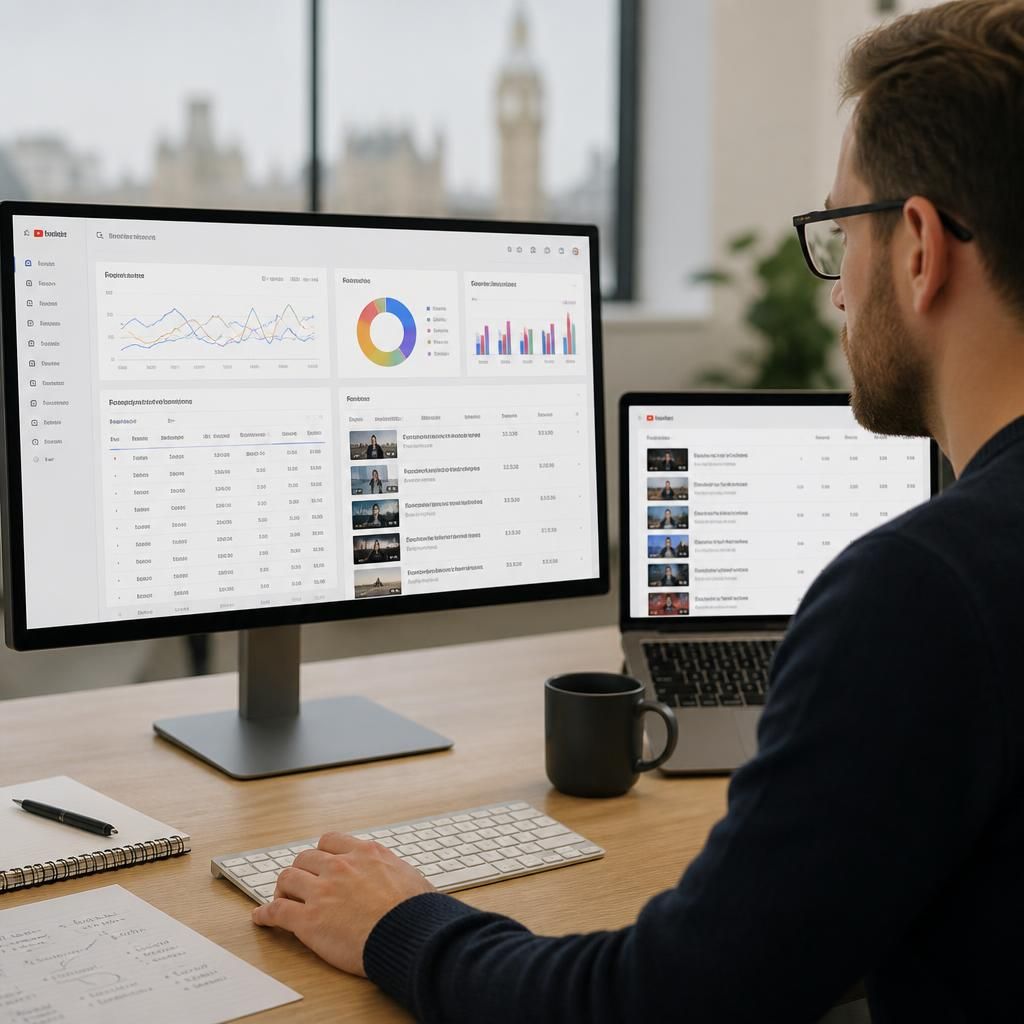
Specialist SEO tools support YouTube optimisation by showing how viewers discover and respond to each video, not simply whether a target keyword appears in its metadata. This makes it possible to identify whether a visibility problem relates to the topic, search intent, presentation or the content itself.
Review impressions, click-through rate, audience retention, watch time and traffic sources together. For example, strong impressions with limited clicks may indicate that the title or thumbnail needs reviewing, while good click-through with an early retention drop may suggest that the opening does not deliver the promise made in the metadata. Search terms and viewer comments can then help refine the topic, structure and wording of future videos.
Use these findings over a suitable period rather than reacting to isolated changes. A repeatable reporting process helps distinguish meaningful trends from normal fluctuations and connects YouTube activity with wider objectives, such as supporting a relevant service page, answering customer questions or generating qualified enquiries.